Liquid cold plates
Custom Liquid Cold Plates for Power Electronics
Send the heat load, the footprint and the coolant. We propose the channel design, make the plate, leak test it and ship it ready to mount. Reply within 24 business hours.
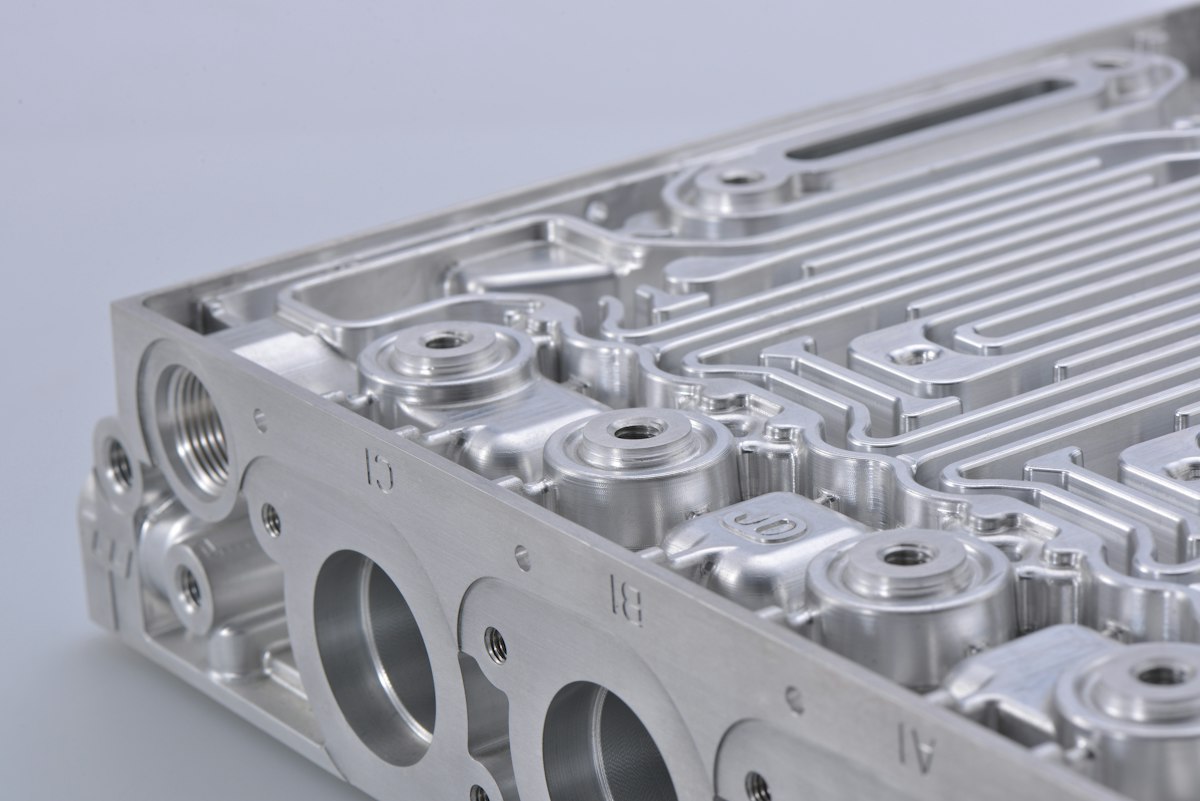
Is a custom cold plate the right answer?
Air cooling and catalog plates are cheaper when they work. Tick what applies.
Where cold plates go
- IGBT and SiC modules
- Inverters and drives
- Laser diodes and sources
- Battery modules
- Power supplies
- Medical imaging electronics
- Test and burn-in equipment
- Telecom power
We start from the heat load of each component, its position and the maximum temperature it may reach. The channel design follows from there.
Tube-in-plate or machined channels?
Both carry coolant under the components. The difference is thermal performance, size and price.
Tube-in-plate
Copper or stainless tube pressed or bonded into a machined aluminum plate.
- Lowest price, no internal joints
- Good for moderate heat flux
- Tube routing limits channel shape
Machined channels with cover
Channels milled into the base, closed by a sealed cover.
- Channels placed under each hot spot
- Higher performance per area
- Cover sealed by O-ring, welding or brazing
Typical cold plate specifications
What custom plates usually reach. These are typical values, not promises. Your quote states the design values and the tests.
| Parameter | Typical range | Depends on |
|---|---|---|
| Base material | Aluminum 6061 or copper C1100 | Heat flux, weight, coolant |
| Mounting surface flatness | 0.05 mm over the component area | Size and machining |
| Leak test | Air or helium, 1.5 x working pressure | Your specification |
| Working pressure | Up to 6 bar typical | Construction and sealing |
| Fittings | G 1/4, NPT 1/4, push-in or custom | Your coolant loop |
Industries that need liquid cooling
Tell us the coolant, flow rate and inlet temperature. They decide the design as much as the heat load.
Power electronics
Inverters, converters and motor drives.
Industrial lasers
Diodes, sources and optics mounts.
Energy storage
Battery module and BMS cooling.
Medical equipment
Imaging electronics and power supplies.
Test and measurement
Burn-in boards and high power loads.
Rail and marine
Traction and propulsion electronics.
How it works
You send the problem. We take it from drawing to delivery and keep you informed at each step.
Send your files
Heat load per component, footprint, coolant, flow rate and maximum temperatures.
We review and quote
We propose the plate type and channel layout, then quote price and lead time.
We produce and inspect
Machining, channel closing, flatness check and leak test of every plate.
We deliver
Plates with leak test record, flatness report and protective caps on the ports.
What drives the price of a cold plate
Five things decide most cold plate quotes.
- ConstructionTube-in-plate is cheapest. Sealed machined channels cost more.
- MaterialCopper performs better than aluminum but costs more and weighs more.
- Mounting featuresEach threaded hole, pad and stud adds machining.
- TestingHelium leak testing and thermal tests add time and equipment.
- QuantityDesign and setup are paid once. Batches lower the price per plate.
Have a heat load to remove?
Send the short version now. We will ask for anything missing. Prefer to give full details up front? Use the full quote form.
Your files are seen only by our team and the partners working on your project. Ask for an NDA and we sign it first.
Make cold plates or thermal parts?
We work with production shops, component suppliers and engineers in this field. Register once and we send you project scopes that fit what you do. We handle the customer side.
Questions customers ask
Something else? Email .
What do you need to design a cold plate?
The heat load and position of each component, the maximum case or junction temperature, the coolant, flow rate, inlet temperature and the space available.
Is every plate leak tested?
Yes. Every plate is leak tested before shipping, at a pressure and method agreed in the quote. The test record ships with the plate.
Can you make plates from our drawing?
Yes. If you have a finished design, we quote it as drawn and point out anything that adds cost or risk.
Copper or aluminum?
Aluminum suits most designs and keeps weight low. Copper spreads heat better under very high heat flux. Check your coolant compatibility with both.
Do you make the cold plates yourselves?
Production runs at partner shops we have audited for this kind of work. We stay responsible for the order: we review the drawing, pick the shop, follow production, inspect before shipping and deliver to you. You deal with one contact and one purchase order.
Can you sign an NDA first?
Yes. Tick the NDA box on the quote form and we sign one with you before anyone outside our team opens your files. Every partner on the project works under the same terms.